
Whole-House Repiping in Las Vegas, NV
Repiping replaces the water supply lines in your home with new copper or PEX. It is the lasting fix when old pipe leaks again and again, runs rusty or chokes off your pressure.
- 24/7 emergency service
- Licensed technicians
- All makes and models
Signs your home is ready for new pipes
Pipes wear out from the inside, so the evidence shows up at the tap and on the repair bill long before you see the pipe itself. A repipe is worth looking into when you notice:
- A second or third leak in the same system, especially pinholes in copper or more than one slab leak.
- Brown or yellow water for the first few seconds after a tap has sat unused, a mark of rusting galvanized steel.
- Pressure that has faded over the years, or drops sharply when two fixtures run together.
- Green or white crust on exposed copper at the water heater or under sinks.
- Polybutylene, a gray flexible plastic installed in many homes from the late 1970s into the mid-1990s and known for failing with little warning.
One leak in a newer copper system is a repair. A pattern of them means the pipe has reached the end of its life, and every patch only moves the next failure a few feet along. If you are not sure which situation you are in, start with leak detection so the decision rests on what the pipe is doing.
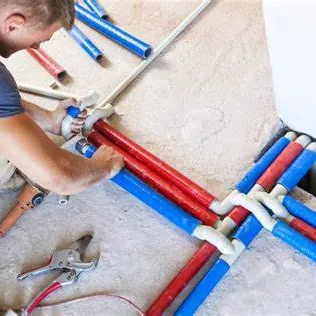
Whole-house or partial repipe
A whole-house repipe replaces every hot and cold supply line, from the point where water enters the home to the shutoff valve at each fixture. It covers water supply only. Drain and sewer pipes are a separate system with their own repair options.
A partial repipe replaces one part: the hot side only, a single bathroom group, or the lines under the slab while sound pipe in the walls stays. It can be the right call when the trouble is confined to one area, or when a remodel already has walls open. It is a poor bargain when the remaining pipe is the same age and material as the section that failed, because you end up paying for access twice. Where new pipe meets old pipe of a different metal, the joint needs the correct transition fitting so the two do not corrode each other.
Copper and PEX compared
Nearly all repipes today use one of two materials, and both are approved for drinking water.
- Copper. Rigid, proven over generations and unaffected by sunlight or heat. Joints are soldered or pressed. It costs more in both material and labor, needs more wall openings because it cannot bend around framing, and can still pit in aggressive water or where it touches soil and concrete.
- PEX. Flexible cross-linked polyethylene that threads through walls and attics in long runs with far fewer hidden joints. It installs faster, usually with less drywall cut, does not corrode and resists scale. It must be kept out of direct sunlight and away from hot flues, and it relies on correctly made fittings.
The choice comes down to budget, how the house is built and your own preference. Many homes end up with a mix: copper where pipe is exposed at the water heater and fixtures, PEX inside the structure.
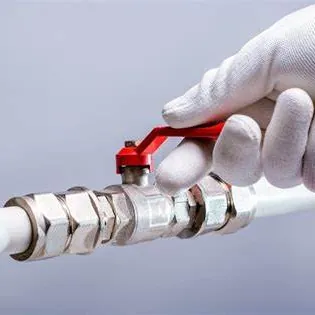
What a repipe involves in a Las Vegas slab home
Because most valley homes have supply lines under a concrete slab, a repipe here usually means abandoning those buried lines and running new ones overhead through the attic and down inside the walls. The work typically goes like this:
- We walk the house, count fixtures, plan the routes and go through the scope with you. A permit is pulled where the local building department requires one.
- Floors and furniture are covered, and small access openings are cut in drywall behind fixtures and along the pipe routes.
- New lines go in alongside the old ones, so the water is typically off only during working hours while we switch fixtures over.
- Each fixture is connected, usually with new shutoff valves and supply hoses.
- The system is pressure tested and inspected before any wall is closed.
- Openings are patched. Your scope spells out how far the texture and paint go.
A single-story house often takes a few days; two stories and larger homes take longer. Attic lines are insulated, but expect the cold tap to run warm for a moment in summer.
New pipe does not change the water. Las Vegas water is very hard, about 16 grains per gallon, and it will scale new fixtures and valves just as it did the old ones. A repipe is a convenient time to look at water treatment and to have the pressure regulator checked.
Getting a repipe quote from us
Call 702-497-0888 and one of our licensed plumbers will come out, look at what pipe you have and how it is routed, and talk through material and scope before you commit to anything. For most households a repipe is a planned project, not an emergency, though we do answer 24/7 if a line bursts in the meantime. A repipe is a sizable job, and financing is available, subject to approved credit. We work throughout Las Vegas and the Clark County communities around it.
Frequently asked questions
Still have a question? Call 702-497-0888.
How long does it take to repipe a house?
Most single-story homes take a few days of plumbing work, with wall patching after the inspection. Two-story homes, houses with many bathrooms and jobs that include long attic runs take longer. We go through the order of work with you before we start, so you know when each room will be affected.
Will I be without water during the repipe?
Only for part of the job. The new lines are installed next to the old system while it stays in use, so the water is typically off just during the hours we are tying fixtures over. We tell you ahead of time which days those are so you can plan around them.
Is PEX as good as copper?
For most homes, yes. PEX is approved by plumbing codes for drinking water, does not corrode and needs far fewer joints inside walls. Copper stands up better to physical damage and sunlight, and some owners simply prefer metal. Both give long service when installed correctly, so the decision usually turns on budget and how accessible your walls and attic are.
Do you have to tear out walls to repipe?
No, not whole walls. We cut neat access openings where pipe turns, drops to a fixture or passes framing, typically behind sinks, toilets, tubs and the laundry. PEX needs fewer openings than rigid copper. Every opening is patched after the pressure test and inspection, and we agree the finish level with you before the job starts.
Will repiping improve my water pressure?
Often, if the cause is old pipe. Galvanized steel rusts shut from the inside and scaled lines carry less water, so new full-bore pipe usually brings back flow at showers and taps. It will not help if the real cause is a failing pressure regulator, a partly closed valve or low supply pressure, which is why we test pressure before recommending the work.
Schedule service
Tell us what is going on and we will call you back to set a time. For anything urgent, the phone is fastest.
702-497-0888- 24/7 emergency service
- 3200 Kings Way, Las Vegas, NV 89102
View in Google Maps