
Residential Hydro Jetting in Las Vegas, NV
Hydro jetting scours the inside of a drain or sewer pipe with high-pressure water, clearing grease, sludge and roots that a cable only pokes through. We run a camera through the line first.
- 24/7 emergency service
- Licensed technicians
- All makes and models
What hydro jetting does inside the pipe
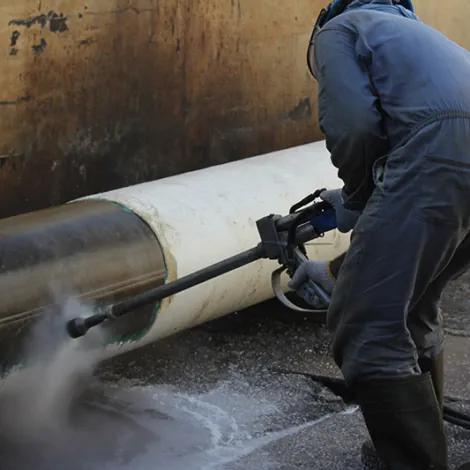
A jetter is a pump, a long hose and a nozzle. The hose goes in through a cleanout, and water leaves the nozzle at high pressure. Jets angled backward pull the hose along and scrub the pipe wall all the way around, while a forward jet breaks into whatever is blocking the line. Everything that comes loose is flushed on down the line.
The result is different from an ordinary drain cleaning. The pipe is washed back toward its full inside diameter, not merely opened enough to drain. Pressure and nozzle are chosen for the pipe, so a kitchen branch gets a smaller hose and a gentler setting than a main sewer line. No chemicals are involved, only water.
When jetting is a better choice than a cable
A drain cable, or snake, spins a cutting head through the clog. It is quick, and it is the right tool for a single blockage such as a wad of paper or a child's toy. What it leaves behind is the coating on the pipe wall, which is why some drains clog again within weeks. Jetting earns its place when:
- The kitchen line is coated with grease and soap.
- The same drain has been cabled more than once and keeps slowing down.
- Sludge, sand or silt has settled along the bottom of the pipe.
- Fine roots have grown in through a joint and need cutting and flushing out.
- A line has to be cleaned thoroughly before a repair or lining.
For a first-time clog in one fixture, ordinary drain cleaning is usually all you need, and we will say so.
Camera inspection first, and when we will not jet
Before the jetter comes off the truck, we put a camera down the line. If the pipe is completely blocked and full of standing water, we may open a path with a cable so the camera can see. The video shows what the pipe is made of, what is in it and what shape it is in, and that decides whether jetting is safe.
We do not jet a pipe that is:
- Collapsed, broken open or missing sections.
- Badly corroded, thin-walled or brittle with age.
- Separated or sharply offset at the joints.
High-pressure water can finish off pipe in that condition and drive water into the soil around it. Those lines need sewer repair, not cleaning. Jetting also cannot correct a sag in the pipe; it only clears what has settled there. After the job we run the camera again so you can see the result.
Hot-water and cold-water jetting
Most residential jetting is done with cold water. Pressure and flow do the cutting, and cold water handles roots, sludge, scale, paper and silt perfectly well.
A hot-water jetter heats the water before it reaches the nozzle. Heat softens and melts fats, oils and grease, so they wash out of the pipe as liquid, where cold water tends to break them into lumps that can settle again farther down. That makes hot water the stronger option for a kitchen line with heavy grease, and it is used far more often in restaurants and other commercial kitchens than in houses. The temperature has to stay within what the pipe can take, since plastic drain pipe is not made to carry very hot water for long. We choose between the two based on what the camera shows.
Jetting and drain care for Las Vegas homes
Local conditions add to the load on drains. Very hard water reacts with soap to form a curd that clings to pipe walls, and grease binds to it. Tree and shrub roots in a dry climate go looking for moisture and find it at sewer joints. Most homes here sit on slabs with the drain lines under concrete, so keeping them clean from a cleanout is far easier than digging to them later.
Afterward, keep grease, wipes and food scraps out of the drains and the line should stay clear much longer. To book a camera inspection or a jetting job, or for a backup that cannot wait, call 702-497-0888. Our licensed plumbers answer 24/7 across Las Vegas and nearby communities.
Frequently asked questions
Still have a question? Call 702-497-0888.
Is hydro jetting safe for my pipes?
Yes, when the pipe is sound. PVC, ABS, and cast iron or clay in good condition handle jetting at the right pressure without trouble. The risk is with pipe that is already cracked, collapsed or corroded thin, which is why we inspect with a camera first and recommend repair, not jetting, when the line cannot take it.
Will hydro jetting get rid of tree roots?
It cuts and flushes out roots that have grown into the line, and it does that well. It does not stop them returning, because the crack or loose joint they came through is still there. Expect regrowth over months or a few years. The lasting cure is to repair, line or replace the damaged section of pipe.
How often should a drain be hydro jetted?
There is no set schedule for a house. Many homes need it once to clear years of buildup and then not again for a long time. If a line has roots or a sag, or a household sends a lot of grease down the kitchen sink, periodic jetting can keep backups away. The camera footage tells us which case applies.
Do I need a cleanout for hydro jetting?
A cleanout is the normal entry point, and most homes have one near the house or toward the property line. If we cannot find one, we can sometimes work from a roof vent or a pulled toilet, though that limits hose size and reach. Installing a proper cleanout is often worth doing because it makes every future cleaning and inspection easier.
How long does hydro jetting take?
A typical residential job, including the camera inspection before and after, often takes one to two hours. Heavy grease, thick roots, long runs or a missing cleanout add time. We tell you what the camera found before we start jetting, so you know what the job involves.
Related plumbing services
Schedule service
Tell us what is going on and we will call you back to set a time. For anything urgent, the phone is fastest.
702-497-0888- 24/7 emergency service
- 3200 Kings Way, Las Vegas, NV 89102
View in Google Maps