
Leak Detection and Leak Repair in Las Vegas, NV
Most water leaks in a Las Vegas home are out of sight: under the slab, inside a wall or out in the yard. We pinpoint the source first, then repair it with as little demolition as the job allows.
- 24/7 emergency service
- Licensed technicians
- All makes and models
Signs of a hidden water leak
A dripping faucet announces itself. The leaks that do real damage are the quiet ones, in pipe buried under the floor, inside a wall or between the meter and the house. Watch for these:
- A water bill that climbs when your habits have not changed.
- The sound of water running when every tap and appliance is off.
- A warm patch on a tile or concrete floor, which points to a hot-water line under the slab.
- Damp carpet, lifting laminate, loose tile or new cracks in flooring.
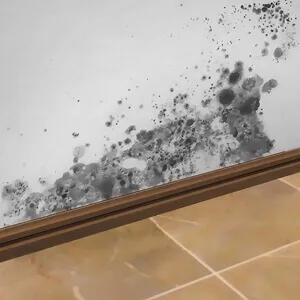
- Stained or soft drywall, peeling paint or a musty smell that will not go away.
- Water pressure that has dropped, or a water heater that seems to fire constantly.
- A soggy or unusually green strip of yard in a dry week.
One sign alone can have other causes. Two or more together are worth a meter check.
How to check your water meter for a leak
Your meter can tell you in a few minutes whether water is escaping somewhere on your property.
- Turn off everything that uses water: taps, washer, dishwasher, ice maker, irrigation timer, evaporative cooler and any water softener that is mid-cycle.
- Find the meter, usually under a lid in the ground near the curb or sidewalk.
- Look at the leak indicator, a small triangle, star or dial that turns with even a trickle of flow. Digital meters often show a flow rate instead. If it is moving, water is going somewhere.
- If your meter has no indicator, write down the reading, use no water for an hour or two, and read it again.
- To narrow it down, close the main shutoff valve at the house and look again. If the meter still moves, the leak is in the buried main water line or the irrigation system, which usually branches off ahead of that valve. If it stops, the leak is in the house plumbing.
Check toilets too. Put a few drops of food coloring in the tank and wait fifteen minutes without flushing. Color in the bowl means a worn flapper is letting water through, one of the most common household leaks.
Slab leaks in Las Vegas homes
Most houses in the valley sit on a concrete slab with water lines running under or through it. When one of those lines fails, the water has nowhere obvious to show up until it reaches flooring, the bottom of a wall or the edge of the foundation.
Copper under a slab usually fails for one of a few reasons: corrosion where the pipe touches soil or concrete, wear where a hot line rubs as it expands and contracts, a kink or nick left during construction, or water pressure that has run too high for years.
We locate the leak before any concrete is opened. That typically means a pressure test to tell whether the hot or cold side is losing water, then acoustic equipment that picks up the sound of the leak through the floor, with thermal imaging for hot lines. Once we know where it is, there are three ways to fix it:
- Spot repair. Open the slab at the leak, replace the bad section and patch the concrete. Sensible for a single leak in otherwise sound pipe.
- Reroute. Abandon the leaking line under the floor and run a new one through the walls or attic. Often the better choice when the leak sits under cabinets or finished flooring.
- Repipe. If the same system has leaked more than once, repiping the house is usually less disruptive than chasing leaks one at a time.
Repairing leaks in walls, fixtures and supply lines
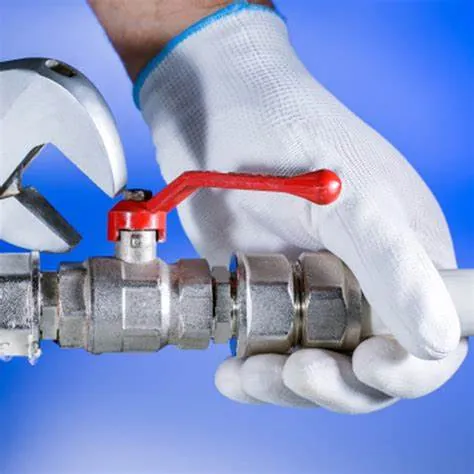
Not every leak is under the floor. A large share of our repair calls are for things you can reach once a wall or cabinet is open: pinholes in copper, failed fittings, corroded shutoff valves under sinks, split washing-machine and toilet supply hoses, worn fill valves, and connections at the water heater. We replace the failed part with material matched to the rest of the system, then put the line back under pressure and recheck the meter to confirm the loss has stopped.
Water that has soaked into drywall, baseboard or carpet pad needs drying quickly, because mold can take hold within a couple of days. We show you where the leak was and how far the water traveled.
What to do right now, and how to reach us
If water is actively running, close the main shutoff valve at the house. If that valve will not turn or does not hold, your water provider can shut the supply off at the meter. With the water off, set a gas water heater to its pilot or vacation setting, or switch off the breaker for an electric one, so it is not heating a tank that may be draining.
Then call 702-497-0888. Our licensed plumbers take emergency calls 24/7 across Las Vegas, Henderson, North Las Vegas and neighboring communities. For bigger jobs such as a reroute, financing is available, subject to approved credit.
Frequently asked questions
Still have a question? Call 702-497-0888.
How do I know if I have a slab leak?
The usual clues are a warm spot on the floor, the sound of running water with everything off, damp flooring and a water bill that has jumped. Confirm it with the meter: shut off all water use and watch the leak indicator. If it keeps turning and your toilets pass a dye test, a line under or inside the slab is a likely source, and it is time to have it located.
Do you have to break up my floor to fix a slab leak?
Not always. Locating the leak first means any opening is small and in the right place, and in many homes the better repair is to bypass the failed line altogether by running new pipe through the walls or attic. Which approach suits your house depends on where the leak is, what flooring is above it and the condition of the remaining pipe.
Can high water pressure cause leaks?
Yes. Pressure that runs high puts constant strain on pipe, fittings, supply hoses and appliance valves. Plumbing codes generally call for a pressure-reducing valve where supply pressure exceeds 80 psi, and those valves wear out over time. If faucets blast, pipes bang or toilet fill valves fail often, ask us to put a gauge on the system and check the regulator.
Is a small leak worth fixing right away?
Yes. A slow leak rarely stays small, and in the meantime it wastes water, raises the bill and feeds moisture into flooring, framing and drywall. Under a slab it can also wash soil out from beneath the concrete. Fixing it early is almost always a smaller job than repairing what the water does over several months.
Will my homeowners insurance cover a slab leak?
That depends entirely on your policy, so ask your insurer or agent before assuming either way. Many policies treat sudden water damage differently from the work of reaching and repairing the pipe itself, and differently again from slow seepage over time. We can show you where the leak was and what the repair involved, which is the information an adjuster normally asks for.
Related plumbing services
Schedule service
Tell us what is going on and we will call you back to set a time. For anything urgent, the phone is fastest.
702-497-0888- 24/7 emergency service
- 3200 Kings Way, Las Vegas, NV 89102
View in Google Maps